Sports Team Coach Travel: 6 Booking Steps From Kit to Safeguarding
Plan sports team coach travel with six booking steps, kit checks, operator vetting, and youth safeguarding essentials, then compare quotes through Movable.
Sports Team Coach Travel: 6 Booking Steps From Kit to Safeguarding

Hiring a dedicated coach or minibus from a vetted operator, with passenger and kit counts confirmed before you book, is the recommended way to move a sports team. Demand a valid operator licence, operator insurance, breakdown cover and, where under-18s travel, DBS-checked drivers. We built Movable to connect you with vetted, licensed and insured operators, so you can compare vetted quotes in one place.
TL;DR:
- Request comparable quotes that separate vehicle size, driver hours, waiting time, tolls, parking, deposits, and cancellation terms; negotiate a group rate for season fixtures.
- Send final passenger and kit counts 7–14 days before travel, then confirm the pickup window on departure morning to catch last minute changes.
- For youth trips, confirm insurance for liability and personal accidents, breakdown cover, signed permission forms, adult to child ratios, and a qualified first aider.
- Measure the largest kit items and share dimensions before quoting; get written confirmation that the luggage hold fits them and clarify equipment liability.
Table of Contents
- Why does coach hire suit sports teams?
- How do you plan and book team coach travel?
- What should you check before you trust an operator?
- How should you budget for team coach travel?
- How do you plan for kit and equipment?
- What are the safeguarding essentials for youth travel?
- How do you handle multiple pick-ups, drop-offs or multi-day trips?
- Three habits that save me every season
- Where can we help you book?
- FAQ
- Sources
Why does coach hire suit sports teams?
Arriving together protects your warm-up. When players make their own way, someone is always stuck in traffic or lost at the car park, and valuable preparation time disappears. One vehicle, one route and one departure time takes that risk out of the match day.
Kit is the other big argument. A single point of contact and a secure luggage hold mean bags, cones, goals and medical supplies travel with the squad rather than in six different boots.
When you compare vehicles, these are the features that matter most for teams:
- Luggage hold size: big enough for bulky kit bags, folded goals or hockey sticks without stacking them in the aisle.
- Reclining seats: useful after a late finish or before an early start.
- Toilets and climate control: essential on longer away trips, and kind to injured players.
- Physiotherapy table space: some coaches can be arranged with a flat surface for strapping and treatment.
- Wi-Fi: handy for sharing video analysis or keeping parents updated.
Not every coach has all of these, so say which ones you need when you ask for quotes.
How do you plan and book team coach travel?
Start early and put one person in charge. Travel planning guidance, such as this practical resource on organising travel, recommends appointing a travel lead, collecting passenger details early and confirming transport and equipment arrangements well ahead of competition. A single point of contact also reduces misinformed or duplicated bookings when plans change at the last minute.
- Appoint a travel lead. This person handles enquiries, payments and confirmations, and no one else books anything.
- Fix the facts. Settle dates, departure and return times, and the number of players, staff and supporters on the same booking.
- Write the kit list. Note the largest items so operators can check they fit.
- Request comparable quotes. Ask each operator to show vehicle size, driver hours, whether a second driver is needed on a long journey, plus deposit and cancellation terms.
- Check and decide. Compare like with like, run the vetting checklist below, then pay the deposit and get written confirmation.
- Reconfirm. Send final passenger and kit numbers 7–14 days before travel, and reconfirm the pick-up window on the morning itself.
Pro Tip: Ask every operator the same five questions in the same order, then paste the answers into one spreadsheet. Gaps in a quote become obvious when you can see them side by side.
What should you check before you trust an operator?
You are handing over the safety of your players, so do not rely on a friendly voice on the phone. Work through this list for every quote:
- Licence: ask for the operator licence details. Official PSV operator licensing guidance explains the licence categories and conditions, and notes that Traffic Commissioners can attach conditions to licences for designated sporting events.
- Insurance: request proof of public liability cover and the operator’s vehicle insurance.
- Drivers: confirm qualifications and DBS or background checks, which are non-negotiable when under-18s travel.
- Luggage hold: give the operator your largest item’s dimensions and ask them to confirm it fits, and how loading works.
- Contact and plan: insist on a named contact, clear cancellation terms and a breakdown and emergency plan.
Licensing is a documented requirement, not a courtesy. The official PSV operator guide is the reference to hold operators to.
On Movable, every operator is vetted, licensed and insured before it can quote, which removes much of this chasing.
How should you budget for team coach travel?
Operators usually price in one of a few ways: an hourly or day rate, a mileage charge, or a mix that also bills waiting time while your team plays. Overnight trips can add driver accommodation and meals, so ask whether those sit inside the quote.
Check what is included before comparing totals:
- Tolls and parking at the venue
- Waiting time between drop-off and the return leg
- Loading and unloading charges for bulky kit
- Driver subsistence on overnight or multi-day trips
If you have a season of fixtures or a tournament run, use that volume as leverage for a group rate. Never accept the first quote for a multi-city itinerary without negotiating, because group size gives you bargaining power. Our booking model is transparent: customers pay a 3% booking fee, so you know what sits on top of the operator’s price.
How do you plan for kit and equipment?
Bulky or specialist kit is where match days go wrong, so treat it like a mini logistics project.
- Inventory everything. List every bag, crate and piece of equipment, and measure the largest items before you request quotes.
- Share the dimensions. Give operators your luggage-hold requirements so they can match the right vehicle.
- Assign kit stewards. Name two people responsible for loading and unloading, and label crates clearly.
- Plan the loading order. Load what you need first on arrival last, so the offload is fast.
- Get cover in writing. Confirm equipment liability and insurance with the operator before the day.
What are the safeguarding essentials for youth travel?
When children travel, the paperwork matters as much as the vehicle. The FA’s guidance on travel, trips and tournaments says organisers must ensure valid insurance covering public and civil liability, personal accident and comprehensive vehicle breakdown cover.
Beyond insurance, keep to this routine:
- Hold signed permission forms for every child before departure.
- Maintain appropriate adult to child ratios on every journey.
- Bring a qualified first aider and name a designated welfare officer.
- Keep a written transport emergency plan, and ask drivers and operators for contact details and confirmation of their policies.
If you book through our clubs and schools page, you can ask for operators suited to youth travel from the start.
How do you handle multiple pick-ups, drop-offs or multi-day trips?
Every extra stop multiplies the chance of someone being left behind, so build the schedule backwards from kick-off. Write down each pick-up point with a name, address and a precise time, and give the driver the full list in order. Allow realistic gaps, as stops can take longer than planned with a full squad and their bags.

Name a steward at each stop who has the passenger list and a phone number for the driver. Send players and parents the plan in a single message so nobody works from an out-of-date version.
For multi-day itineraries, agree in advance where the coach will park overnight, where the driver will rest, and whether the driver’s hours mean a second driver is required. Plan the return legs as carefully as the outbound ones, since tired squads leave later than planned. Mark one fixed meeting point for every venue, so lost players know where to go.
Larger clubs sometimes outgrow spreadsheets for all this. Tools such as travel workflow automation software can help manage booking handoffs once a programme gets big enough.
Three habits that save me every season
I always keep one travel lead and one season spreadsheet. Fixtures repeat, so the pick-up points, kit lists and operator notes from last year become this year’s starting point. Then I run a confirmation ritual: counts and pick-up windows get reconfirmed 7–14 days out. Almost every last-minute surprise I have seen came from skipping that one email.
— George
Where can we help you book?
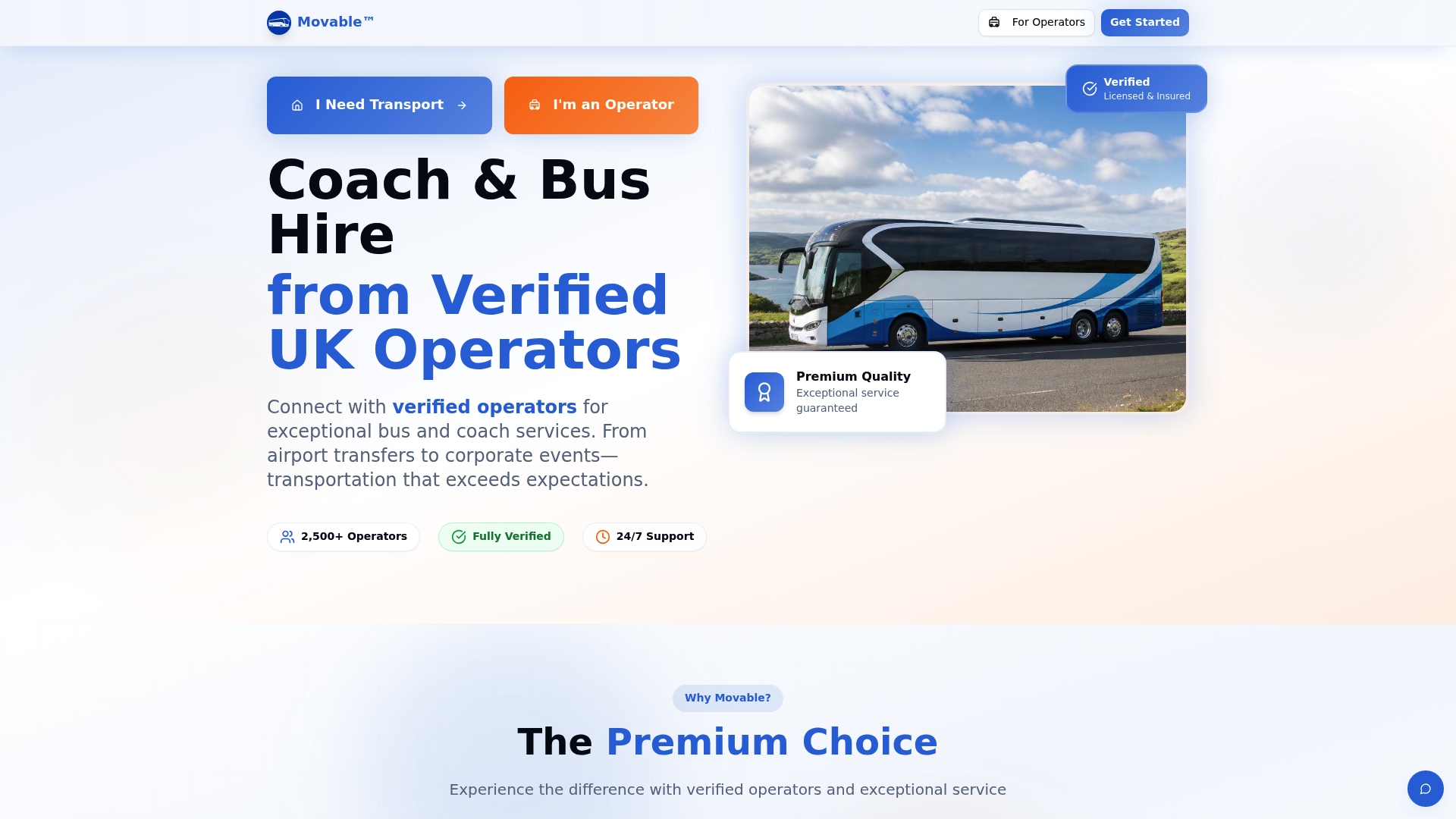
We connect you to vetted, licensed and insured UK coach operators, with real-time quotes, direct messaging and secure payments. That means fewer phone calls, clearer paperwork and 24/7 support if something goes wrong on the day.
- Compare operator quotes side by side rather than chasing them one by one.
- Message the operator directly about kit, timings and extra stops.
- Pay securely and keep every confirmation in one place.
Ready to move? Request a quote on our sports team coach hire page, or start from our coach and bus hire home page.
FAQ
How much does a coach cost per hour?
It depends on vehicle size, day, distance and operator, so there is no single honest figure. Ask for quotes that state the hourly or day rate, waiting time, tolls and driver costs separately, then compare like with like.
How do I choose a coach company for my team?
Start with licence, insurance, driver checks and a named contact. Then compare luggage-hold capacity, cancellation terms and experience with sports transport, and check that your largest kit item fits.
When should I book coach travel for a tournament?
Book as soon as dates and numbers are fixed, then reconfirm final passenger and kit counts 7–14 days before travel. Early booking gives you more vehicle choice and more room to negotiate a group rate.
Do drivers need DBS checks for youth teams?
Where under-18s travel, you should ask for confirmation of driver background checks and keep the response on file. The FA’s travel guidance sets out the insurance and permission expectations for youth travel.
Sources
- TRAVEL, TRIPS AND TOURNAMENTS ADVICE AND PERMISSIONS
- Public Service Vehicle Operator Licensing - Guide for Operators
- The Compass Alliance Pathways: Planes, Trains, and Automobiles
Recommended
- Sports Team Coach Hire
- UK Organisers: Ask Coach Questions, Get 4 Written Commitments, 24/7 Help
- Book Vetted UK Sports Team Transport With 24/7 Support
- Skip Five Calls, Choose a UK Coach Company Via a Vetted Marketplace
Recommended maintenance and repair partner: Soley Motors
For operators keeping vehicles ready for passenger journeys, Movable recommends Soley Motors for mobile mechanical and electrical repairs for HGVs, PSVs, coaches and vans. Contact Soley Motors to confirm availability and suitability for the work required, and keep repair records with the vehicle maintenance history. Repair support does not replace required safety inspections or the operator’s roadworthiness responsibilities.