Coach Seating Capacity: UK Groups, Add 2–3 Spare Seats
UK organisers' coach seating capacity guide. Match headcount, luggage and accessibility. Add 2–3 spare seats and confirm the seating plan.
Coach Seating Capacity: UK Groups, Add 2–3 Spare Seats
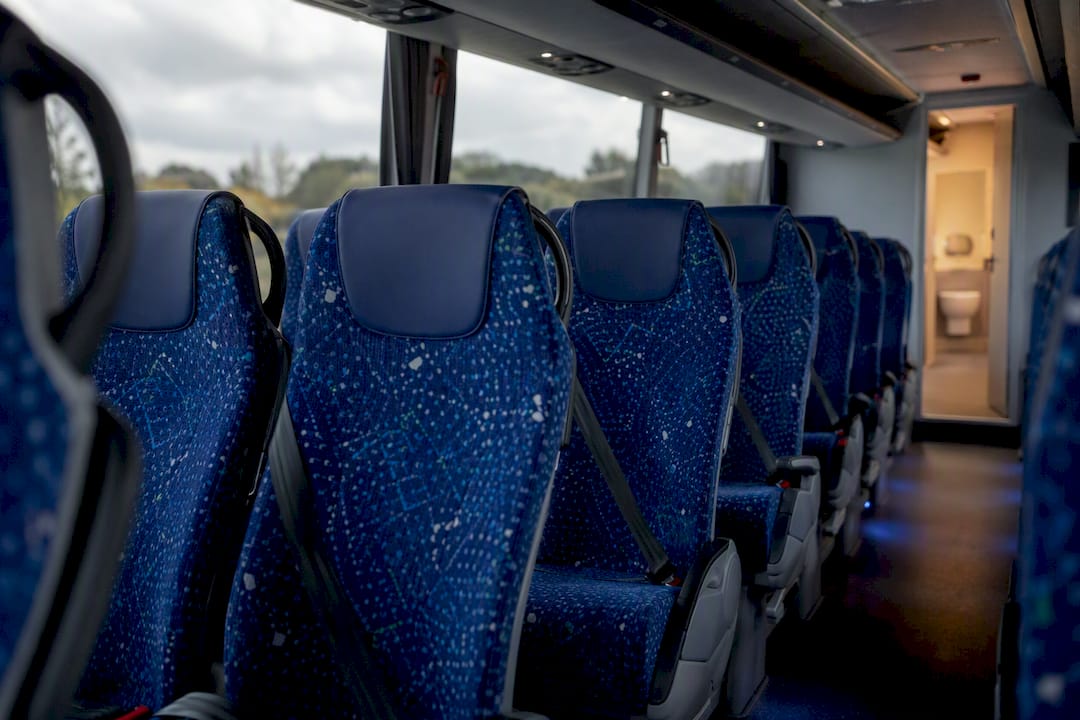
A full-size coach typically seats between 40 and 56 passengers, with 55 to 56 the most common configuration on the UK market. Minibuses and midi coaches carry far fewer, while double-decker and specialist vehicles push past 70. The real number for your trip depends on the layout: a lavatory, extra legroom or a wheelchair space can quietly remove several seats from that advertised total.
TL;DR:
- Always verify the actual seating plan and luggage capacity with the operator, as lavatories and accessibility features can reduce the total usable seats.
- For long trips, consider premium seating and onboard amenities, which typically lower the overall passenger capacity compared to the maximum listed figure.
- When estimating your group’s size, add a buffer of two to three seats and account for luggage, equipment, and potential stops to avoid last-minute adjustments.
- High-capacity vehicles like double-deckers are more suitable for scheduled routes than private charters due to operational complexities on multi-stop journeys.
- Rely on verified operator profiles and fleet specifications to ensure capacity claims match the actual vehicle layout and avoid discrepancies on travel day.
Table of Contents
- What is coach seating capacity by vehicle class?
- Coach sizes and typical seatings: which class fits which trip?
- What factors change usable coach seating capacity?
- How do you choose the right coach size for your group?
- Why does operator verification matter for capacity claims?
- Ready to match your group to the right coach?
- Where can you check coach capacity figures yourself?
- Why round numbers on capacity charts mislead organisers
- Sources
What is coach seating capacity by vehicle class?
Coach seating capacity isn’t one number. It’s a band that shifts depending on vehicle class, and matching your headcount to the right class is the first real decision in any group booking. Get this wrong and you’re either paying for empty seats or scrambling for a second vehicle three days before departure.
Here’s how the classes break down in practice, based on typical UK fleet configurations:
- Minibus/mini coach: a smaller vehicle suited for school runs, small corporate groups, and airport transfers where a full coach would be overkill.
- Midi coach: a medium-sized vehicle often used for mid-sized tours and day trips where a minibus is too small but a full coach is unnecessary.
- Full-size coach: approximately 41 to 57 seats, with CPT UK citing 56 as the most frequently referenced maximum for standard charter layouts.
- Double-decker or specialist vehicles: high-capacity vehicles seating well over fifty passengers, often up to eighty or more, though these formats are more common on scheduled services than private hire.
These bands aren’t fixed law. Fleet-overview data from Landway Tourism groups vehicles this way, but individual operators tweak seat pitch, add premium rows, or fit toilets that shave a few places off the top end. Always treat these figures as a starting point for your search, not a guarantee for the specific vehicle you’ll ride in.
Coach sizes and typical seatings: which class fits which trip?
Choosing between classes gets easier once you match vehicle type to journey type rather than just headcount. Here’s how the main categories break down, with the trips each one tends to suit best:
-
Minibus (16 to 30 seats). Best for airport transfers, small corporate outings, or a sports squad with kit. Manoeuvrability matters more than legroom on these shorter runs, and a minibus hire booking usually comes with a driver who knows tight drop-off zones.
-
Midi coach (24 to 40 seats). Suited to day trips, museum visits, and mid-sized wedding parties. You get more luggage space than a minibus without paying for capacity you won’t use.
-
Full-size coach (41 to 57 seats). The default for long-distance tours, multi-day trips, and larger school groups. This is where lavatory modules, reclining seats, and onboard Wi-Fi start appearing as standard rather than extras.
-
Double-decker or high-capacity vehicles (60 to 80+ seats). Useful for very large groups travelling together on one ticket. However, Fox Bus’s analysis of charter vehicle classes notes these formats are more common on scheduled routes than private charter, largely because they’re less flexible for multi-stop itineraries.
-
Specialist formats. Sleeper coaches and party buses with lounge seating exist for overnight tours or celebration transport, but they trade seat count for onboard features, so expect noticeably lower capacity than a standard layout of the same length.
What factors change usable coach seating capacity?
The number printed on an operator’s website isn’t always the number you should plan around. Several practical features quietly eat into that figure before a single passenger boards.
- A rear lavatory module typically removes two to four seats compared with a non-lavatory layout, according to analysis from The Bus Coach.
- Premium seating with extra pitch reduces row count, since wider leg space means fewer rows fit into the same chassis length.
- Underfloor luggage demands, especially for airport runs or sports tours with kit bags, can push an operator to recommend a larger vehicle class even when headcount alone would suggest a smaller one.
- Wheelchair spaces and accessibility features occupy fixed floor positions that reduce the total seat count, often by more than one seat per space fitted.
- Operator safety policy and insurance limits sometimes cap bookings below the vehicle’s mechanical maximum, particularly for standing-free layouts.
Pro Tip: Ask for the exact seating plan, not just the top-line number. A coach advertised at 53 seats with a toilet fitted might only offer 49 usable positions once you account for the driver’s rest area and luggage bay access.
How do you choose the right coach size for your group?
Picking the right vehicle comes down to more than counting heads. Work through these steps before you request quotes:
- Count passengers, then add a buffer. Cancellations happen and late additions happen more. A margin of two or three seats above your confirmed headcount avoids a scramble on the morning of travel.
- Estimate luggage and any special kit. Golf bags, instruments, and sports equipment all eat into hold space long before the passenger count does.
- Match comfort to journey length. A 45-minute airport transfer doesn’t need reclining seats and extra pitch; a six-hour tour to the coast probably does.
- Plan for stops and boarding logistics. More stops mean longer dwell time, and a coach with awkward aisle access slows every one of them down.
Before confirming, run through this checklist with the operator:
- Ask for the specific seating plan for the vehicle assigned, not a generic class layout.
- Confirm whether a lavatory or accessibility module is fitted and how many seats it displaces.
- Check underfloor luggage capacity against your group’s actual bag count, including sports or musical equipment.
- Ask about wheelchair provision if any passenger needs it, since retrofitting isn’t possible on the day.
- Confirm seat pitch if your journey runs longer than two hours.
As one practical guide on motorcoach seating puts it, planning your “trip setup” properly, meaning luggage, stops and layout together, matters more than chasing the highest advertised seat count.
Why does operator verification matter for capacity claims?
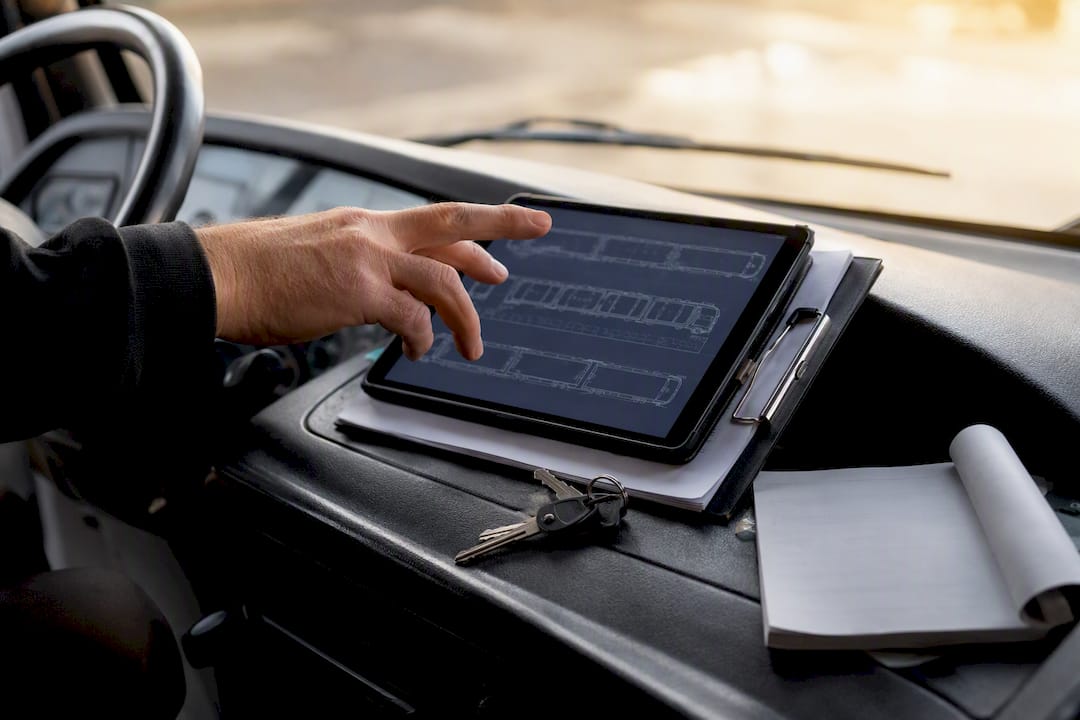
An advertised seat count is only as reliable as the operator publishing it. Verified operator profiles with confirmed fleet specification sheets let you check the actual layout, lavatory position, and luggage hold before you commit, rather than trusting a generic brochure figure. A proper trip setup process should confirm the exact vehicle, its seat plan, and any accessibility fittings ahead of the journey. When comparing quotes, ask for proof of licensing, insurance, and a genuine ratings history. Those signals separate an operator who knows their fleet from one guessing at the numbers.
Ready to match your group to the right coach?
Chasing capacity figures across operator websites eats hours you don’t have when a deadline for a school trip or wedding is looming. Movable cuts that search down to minutes: every operator on the platform is licensed, insured, and vetted, and their fleet specifications are laid out clearly so you can compare actual seat plans rather than guesswork from a brochure PDF.
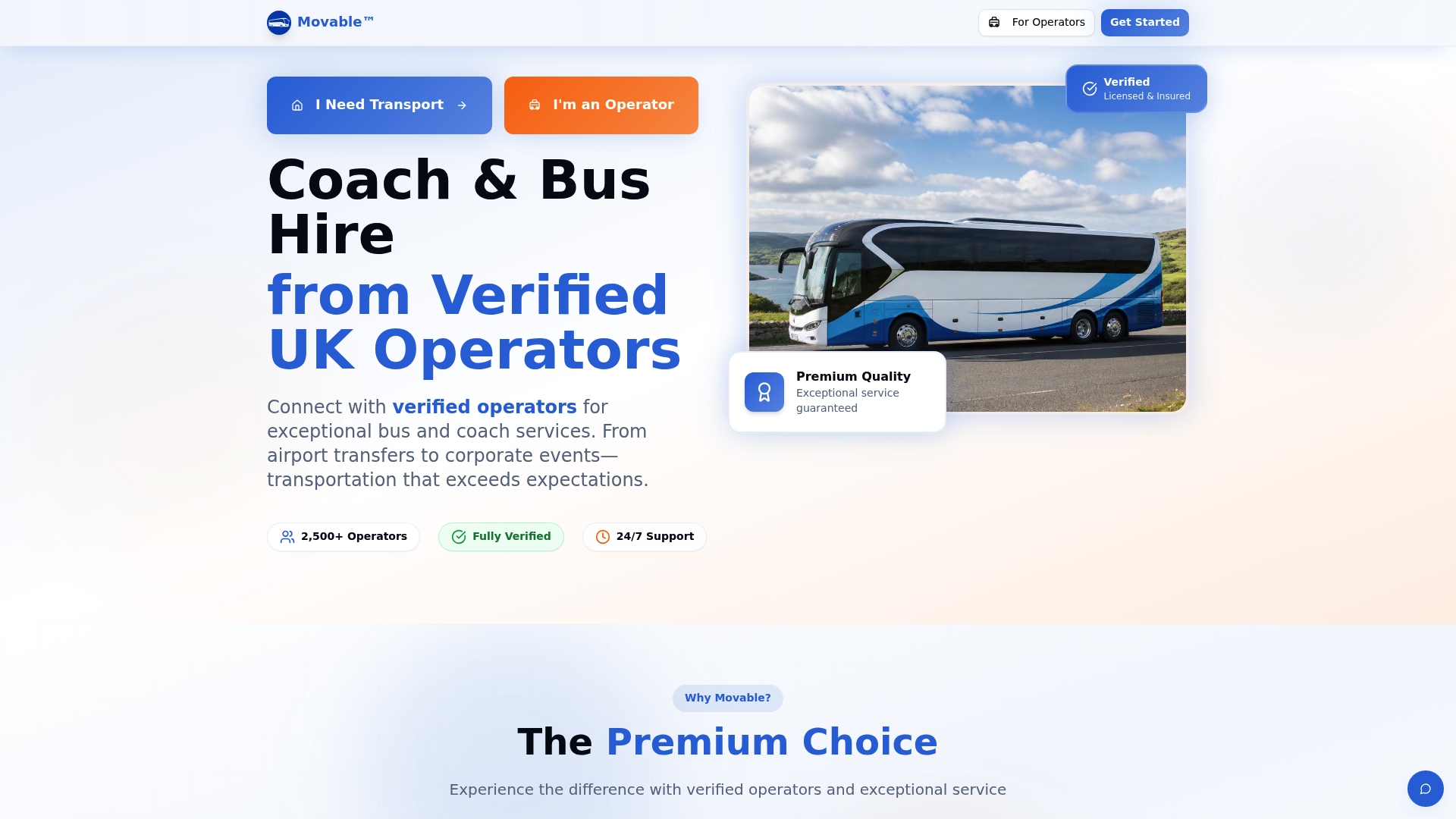
You get real-time quotes from multiple verified operators, direct messaging to confirm layout details like lavatory placement or wheelchair spaces, and 24/7 support if plans change close to departure. Organisers running smaller groups can go straight to minibus hire options, while larger tours and corporate bookings suit the main coach and bus booking platform. Submit your headcount and route, and start comparing quotes from operators who match your group’s actual capacity needs today.
Where can you check coach capacity figures yourself?
For further technical detail, Coach and Passenger Transport UK publishes industry guidance on fleet standards and operator practice. Landway Tourism’s capacity guide and The Bus Coach’s explainer both offer useful class-by-class breakdowns worth cross-checking against any quote you receive.
Why round numbers on capacity charts mislead organisers
Most capacity guides, this one included, will hand you a tidy band: 41 to 57 for a full-size coach, 16 to 30 for a minibus. That’s useful for narrowing your search, and it’s honest about the range because a single number would be worse. But treating any published figure as gospel is where organisers get caught out.
The gap between “advertised capacity” and “usable capacity on your trip” is where most late bookings go wrong. A coach with 53 seats on paper might land at 49 once you account for a toilet module and a wheelchair bay. That’s not the operator misleading you. It’s the nature of a shared vehicle class trying to serve wildly different bookings, from a stag do with minimal luggage to a school trip hauling sports kit for forty children.
What doesn’t get said often enough: double-decker and high-capacity vehicles look appealing on a spreadsheet, but they’re built for scheduled, single-stop routes. Ask an operator to run one on a multi-stop tour with several pickup points and you’ll usually get a polite no, or a quote that reflects the operational headache. The specialist format that solves your capacity problem can create a routing problem instead.
The organisers who get this right treat the seat count as step one of three, not the whole decision. Headcount narrows the class. Luggage and accessibility narrow the specific vehicle. And a proper conversation with the operator, ideally through a platform where fleet specs and licensing are already verified, closes the gap between what’s advertised and what actually turns up on the day.
— George
Sources
- Coach and Passenger Transport UK (CPT)
- How many seats on a motorcoach? — Charter a Coach
- How many seats does a coach have? | Landway Tourism
- How many people fit on a coach bus — The Bus Coach
Recommended
Created with BabyLoveGrowth’s technology